My research has examined the question “who decides and how?” when it comes to decision making about public services and the environment. In both Latin America and the United States, I have explored the governance of critical resources like water to understand existing provision and decision-making arrangements and the processes through which social actors disrupt the status quo in attempts to gain greater inclusion.
SAMPLE PROJECTS
◊ Seeking Water Justice at the Grassroots: Responding to the Impacts of Climate Change on Drinking Water Management in the Central American Dry Corridor

This interdisciplinary and collaborative research examined the state-society nexus in drinking water provision in Central America’s rural areas in the context of climate change. We explored the limited and often problematic state role in rural water management in Costa Rica, Honduras, and Nicaragua. We present a “re-envisioning” of state actors’ role towards achieving water justice–including more equitable access to water and formal decision-making channels in Latin America.
◊ Local Responses to Hydraulic Fracturing in the Context of Higher Education
The political conflicts surrounding hydraulic fracturing reflect struggles over legitimate sites of authority and decision-making. To date, the political processes informing and contextualizing these industrial operations have received less scholarly attention than the health, safety, and environmental impacts of fracking. This research contributes to our understanding of how fracking’s potential impacts prompt social mobilization and voicing of citizens’ concerns. In particular, we focus on institutions of higher education as sites of organized responses to fracking on the part of faculty, staff, and students. This project demonstrates the inherent risks as well as opportunities presented by universities’ leasing of their mineral rights. For example, we highlight the implications of increased university corporatization via mineral leasing as not only potentially beneficial in regard to revenue, but also risky in terms of student recruitment and retention.
◊ From Resource Management to Political Activism: Water Committees, Transnational Allies, & the State
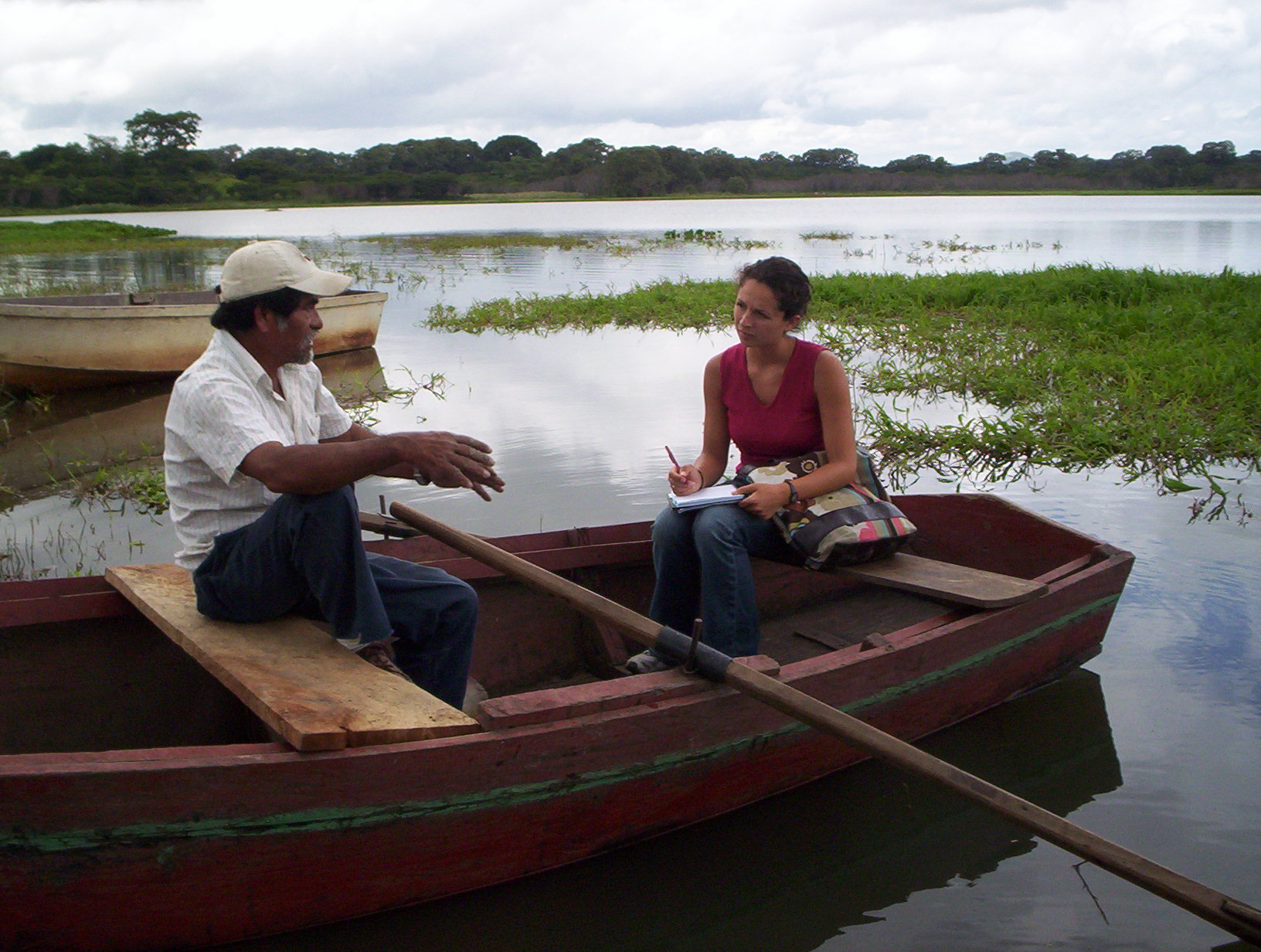
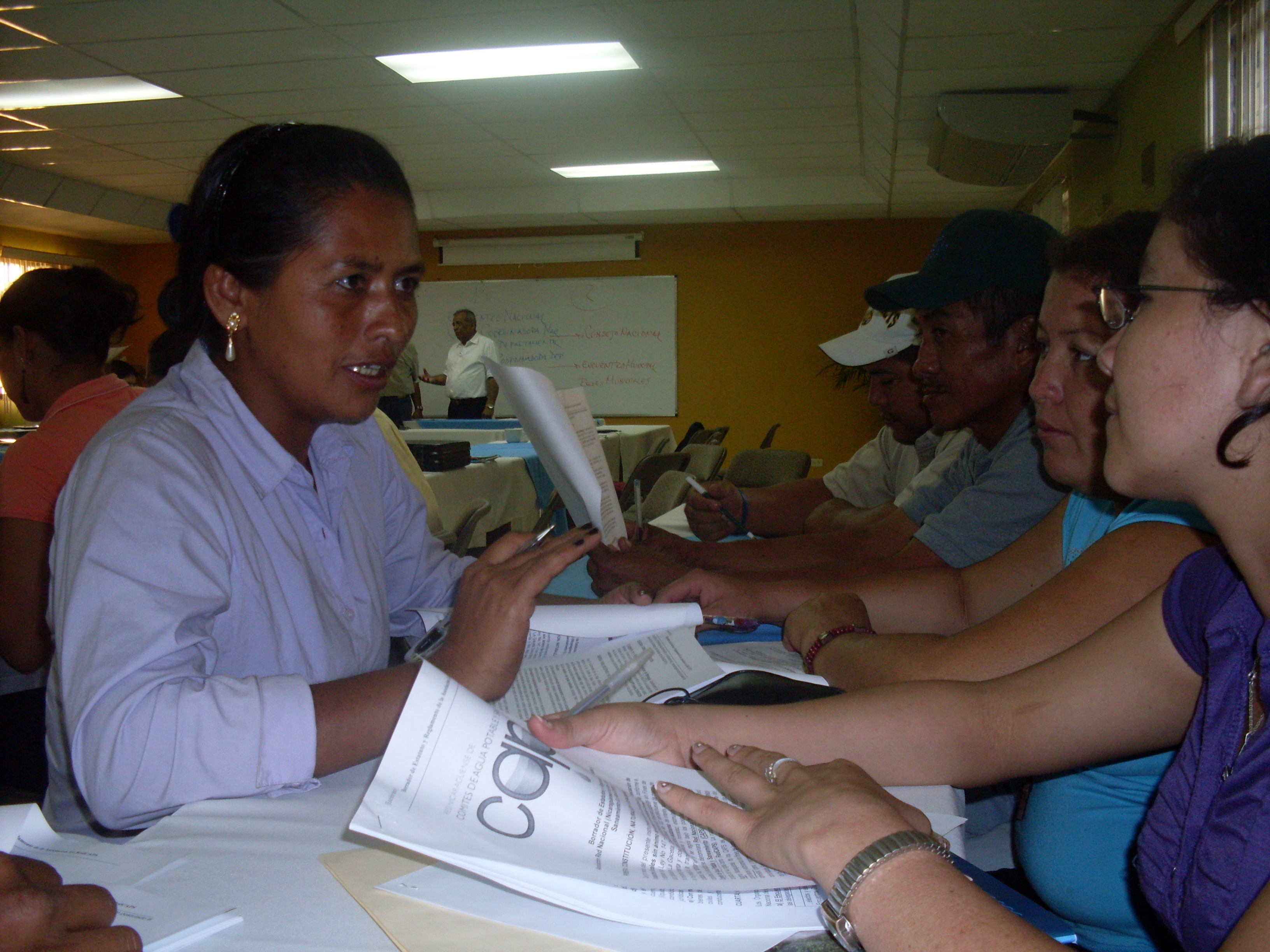
Funded by Fulbright, the UC Pacific Rim Research Program, and the UC Chicano/Latino Research Center, this project examined how community-based water committees in Nicaragua transcended their rural localities and roles as resource managers in order to engage in fundamentally new forms of political engagement, advocacy, and networking. These dynamics have unfolded in an unlikely context: one of extreme political polarization and state attempts at cooptation via new mechanisms of “direct democracy” at the subnational level. Based upon 13 months of field research in Nicaragua, this project examined the puzzle of how water committees collectively asserted themselves across political scales while maintaining a broad, pluralistic base and relative autonomy from the state—even as the state sought to incorporate civil society actors into partisan channels of citizen participation from above. This research culminated in a book, Transforming Rural Water Governance: The Road from Resource Management to Political Activism in Nicaragua, published with the University of Arizona Press.
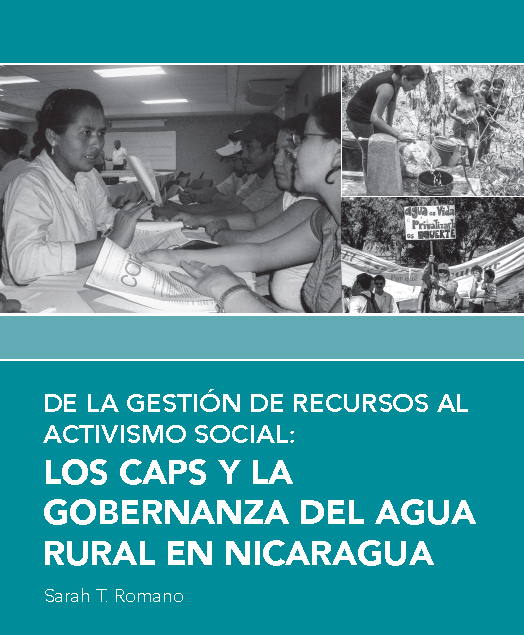
Research findings in Spanish (web version): De la gestión de recursos al activismo social: los CAPS y la gobernanza del agua rural en Nicaragua
◊ Access to Public Services in the Global South: Moving from “Protest to Proposal”
What is surprising given the discrediting of privatization as a policy “solution” both among citizens and in many cases governments across the Global South is the relatively little attention to what policy alternatives have been crafted and implemented. Commissioned by the Municipal Services Project, The Cupboard is Full: Public Finance for Public Services in the Global South (2012) examined Public Pension Funds and Sovereign Wealth Funds as potential sources of financing for public service provision in the Global South. In Nicaragua, my research from 2004-2008 examined resistance to the commercialization of public water supply and the role of civil society in new policy formation. This research expands existing understandings of popular sectors’ role in co-produced service provision, national and subnational policy processes, and ongoing processes of democratization.
◊ Multi-Scalar and Cross-Disciplinary Approaches towards Equitable Water Governance
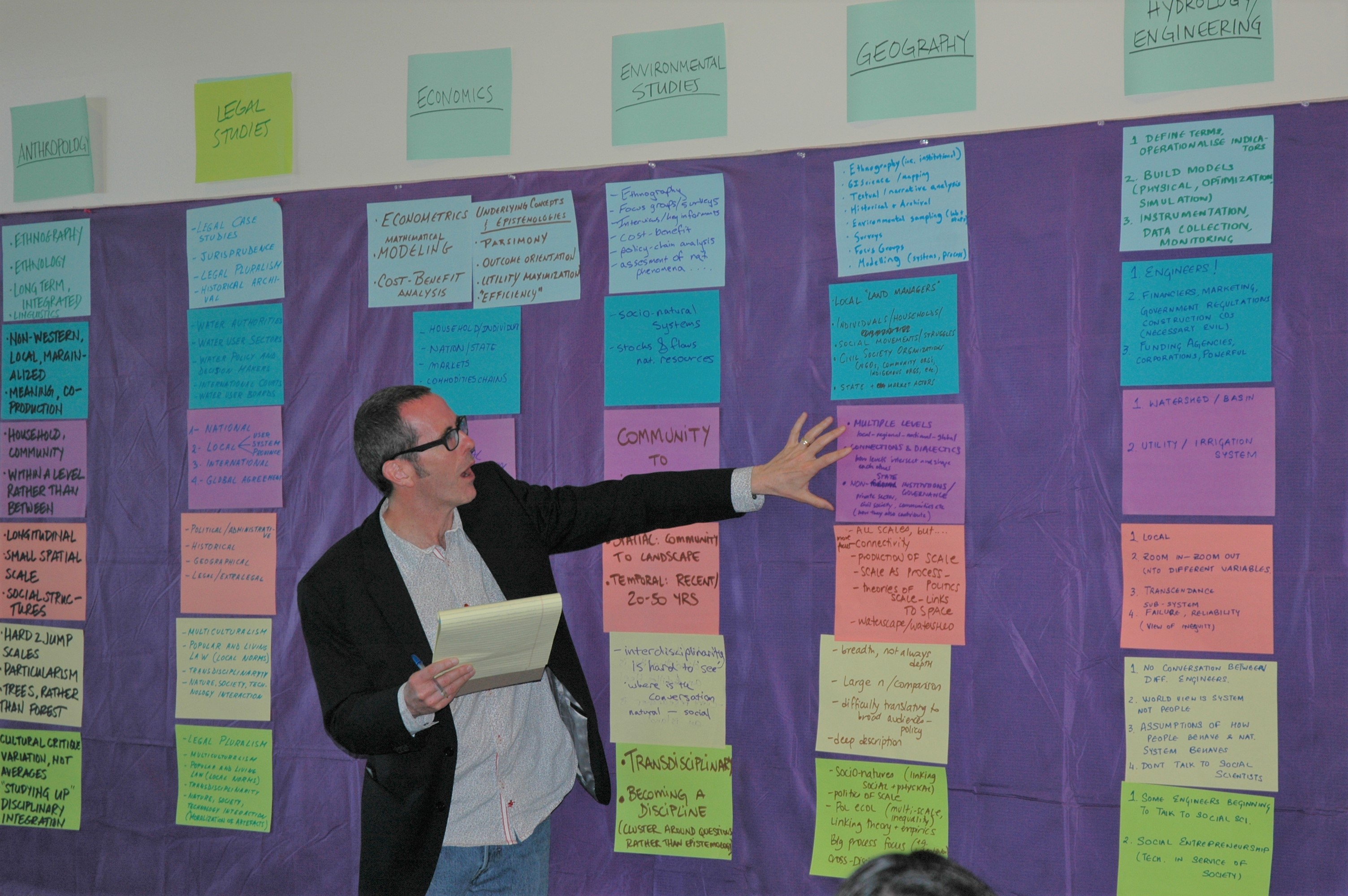
This National Science Foundation-funded two-day workshop, “Multi-Scalar & Cross-Disciplinary Approaches towards Equitable Water Governance,” brought together an interdisciplinary, international team of social scientists and scholar-activists towards achieving the goal of developing a multi-scalar and cross-disciplinary theoretical framework for understanding equity within water governance (UC Santa Cruz, February 2013). We addressed the limitations in water-focused scholarship through bridging disparate disciplinary agendas and integrating greater attention to dynamics, actors, and institutions at multiple scales–including temporal, geographic, social, political. The outcomes of this work are shared here (correction to authorship here).
 Sarah T. Romano, PhD